

Is Your Cookware Damaging Your Health?
We all know how crucial it is to eat healthy food.
But what about the pots and pans you use to cook that food? Could they be affecting your health just as much?
Before we discuss the cookware you should be using, let’s take a closer look at the hazards surrounding the cookware most people use today.
Convenient! …but is it Safe?
Non-stick cookware seems to be the most common these days, and it can be found in millions of kitchens around the world.
And it’s understandable why. Nothing sticks, almost no effort to clean, and you can buy it everywhere. But beneath the surface is something much more concerning than most imagine.
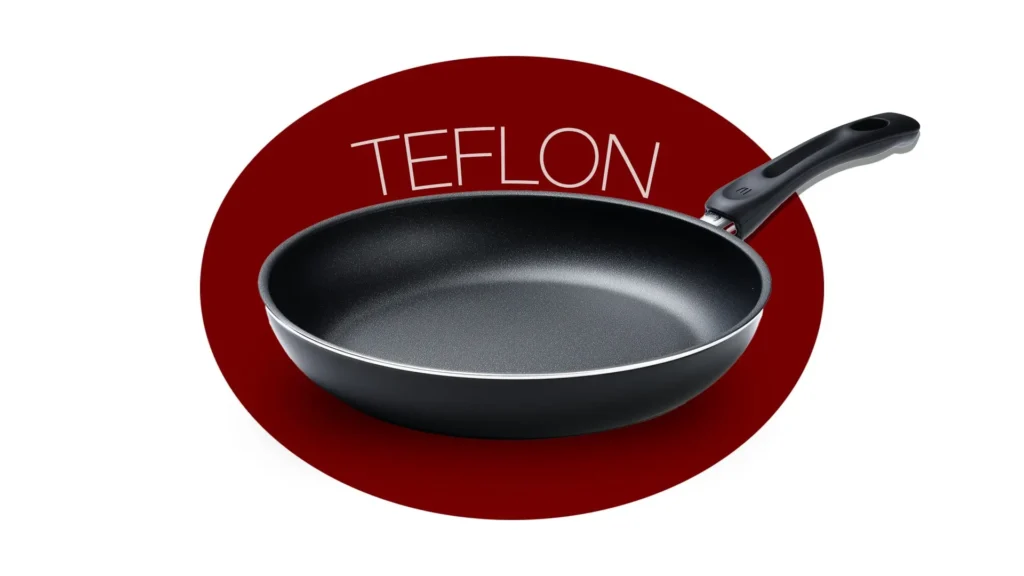
- Toxic Fumes: Overheating Teflon can release harmful fumes linked to “Teflon flu” (polymer fume fever), causing flu-like symptoms in humans and fatal effects in birds.
- Exposure to PFAS: Also known as “forever chemicals,” these are man-made chemicals that are extremely difficult to break down in the environment and the human body. These chemicals can lead to hormone disruption, thyroid issues, and cancer.
- Breakdown Over Time: With regular use, the non-stick layer degrades, which causes these toxic particles to leach into your food.
As with most “health hazards,” it usually takes a while to notice severe damage. However, according to the Environmental Working Group, even low levels of exposure to these chemicals can have serious consequences on immune health and fertility.
A Major Step Up …but is it the Best?
After doing some research on Teflon, most people switch to stainless steel right away.
And that’s a great first move.
Unlike non-stick, stainless steel doesn’t contain synthetic coatings, and it handles high heat without releasing toxic vapors. It’s dishwasher-safe, durable, and versatile.
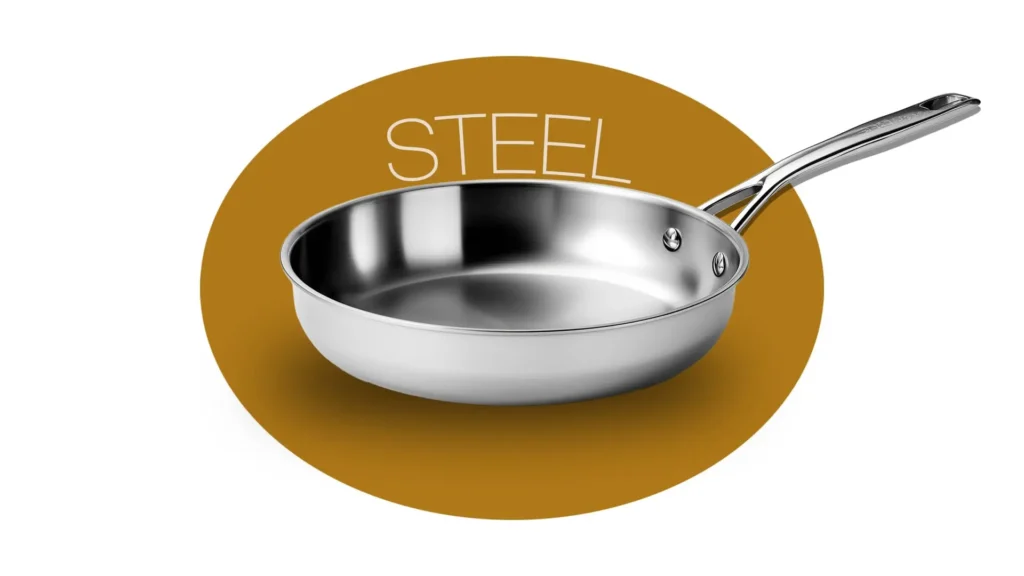
But it’s not perfect. Here’s why:
- Food sticks easily, especially proteins. Applying oil or water can help, but food does still stick sometimes. This causes part of the food to burn, eliminating its nutritional value.
- Cheaper grades may leach nickel or chromium. While this usually isn’t a serious concern, these heavy metals can accumulate over time. Especially if you have a nickel allergy, you may experience skin issues such as eczema or dermatitis.
So while it is a step up from Teflon, it’s still not the greatest option.
The Best Cookware
There’s one type of cookware that not only avoids harming your health, but it can actually enhance it, especially if you’re among the many people with low iron levels.
We’re talking about cast iron. Here’s what’s great about it:
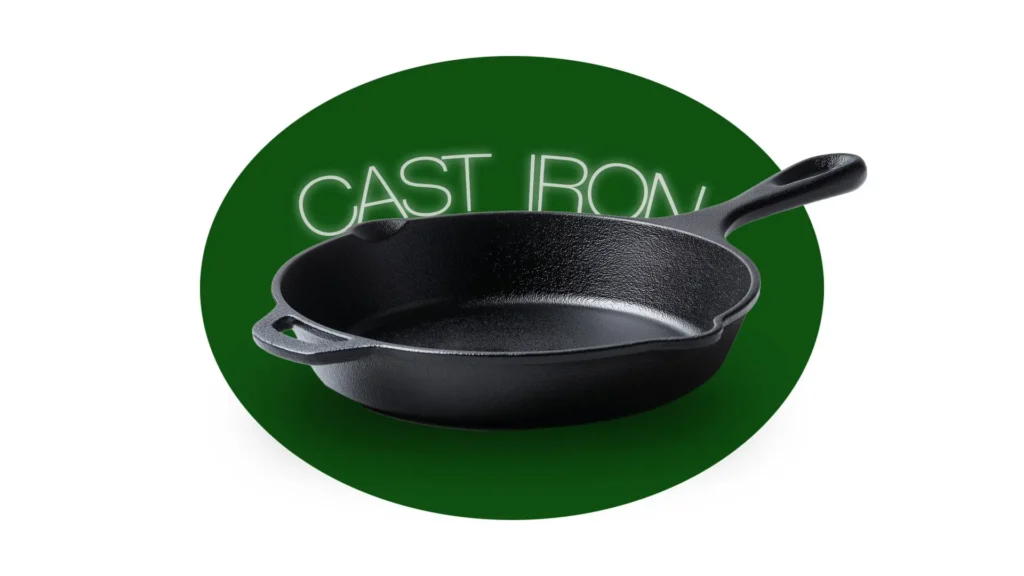
It Enriches Your Food Naturally
Cooking with cast iron can actually increase your dietary iron intake, especially when preparing acidic foods like tomatoes or vinegar-based sauces.
A study by the American Dietetic Association noticed that cast‑iron cookware can increase iron content by over 8x, compared to other cookware. This can vary greatly depending on the food you’re cooking, how long you’re cooking, and other factors.
As you may know, Iron deficiency is very common, affecting at least 1.2 billion people worldwide. So for vegetarians, menstruating women, or anyone with borderline anaemia, cast iron is a major plus.
No Coatings, No Toxins
Unlike non-stick pans that are based on synthetic chemicals, cast iron is simply iron, a completely natural element. When seasoned properly, it gets a smooth surface that can act just like a non-stick pan without loading it up with toxins.
Dr Margaret Sears from the Ottawa Hospital Research Institute says:
“Avoiding non-stick and opting for alternatives like cast iron is one of the simplest ways to reduce long-term chemical exposure in the home.”
Incredibly Durable
Aside from its health benefits, cast iron beats other cookware in many factors.
- Superior heat retention. This means your food will stay hot for a long time after it leaves the stove. This is excellent for serving dishes right from the pan. Plus, it can handle extremely high temperatures.
- It’s oven-, grill-, and campfire-safe, making it incredibly versatile.
And perhaps the most impressive point is that it can last for generations. So if you maintain it well, you won’t need to get a new set of cookware for a long time.
Conclusion
When it comes to your health, every choice matters, including your cookware.
It would be wise to avoid non-stick cookware as much as you can, as it exposes you to highly toxic chemicals. And while stainless steel is a decent alternative, you can do even better.
If you want to reduce toxins as much as possible and want to boost your iron intake naturally, switch to cast iron. It’s healthy, it lasts forever, and you can use it anywhere you want.
If you’d like to further improve your health, you’ll want to make sure that you’re covering all your bases.
That’s why we’re here, to help you fully implement the Budwig Protocol in your life and experience an impactful difference. We offer advanced remote support so that you can address the important aspects of your health from the comfort of your home.
If you’d like to get a personalized health plan to help address your health issues, click here to find out more about our remote program.
You can also check out our other recent articles below.


Sources
- Camp, S. (2023, July 30). Teflon flu: Symptoms, causes, treatment, and prevention. Verywell Health.
- PFAS Free. (n.d.). Non-stick cookware: A sticky situation. PFASFree.org.uk.
- Chefadora. (2023, May 25). Scratched non-stick cookware could be releasing harmful PFAS chemicals. Chefadora.
- Organize for Living. (n.d.). Does cast iron put iron in food? OrganizeForLiving.com.
- Nontoxic Dad. (n.d.). The hidden truth about stainless steel cookware. Nontoxic Dad.
- Boateng, J., Harrington, D., Friesen, J., & Andrews, M. (2024). Cast-iron cookware and dietary iron content: A systematic review and meta-analysis. Journal of Nutrition Education and Behavior.